





Why Mobile Play Feels Like The Main Version Now
For a lot of adult players, the phone is no longer a backup screen. It is the first screen, the fast screen, the one that gets opened during a coffee break, on a late train, or while checking a balance before bed. That shift changes what matters. Big banners matter less. Clear buttons matter more. A smooth route from login to lobby matters most.
LuckySpins in Canada should be judged through that lens. Not by how dramatic the homepage looks on a laptop, but by how naturally the account behaves on a smaller display. The mobile experience has to carry nearly everything: sign-in, deposits, balance checks, category browsing, game search, support, and cash-out tracking.
Players also notice friction faster on a phone. A crowded menu, a confusing cashier, or a slow return from one section to another starts feeling irritating in seconds. On a desktop, someone might tolerate it. On a handset, they usually leave the page, close the tab, or put the session off for later.
How adults actually use a phone casino
Most sessions are short and practical. Someone opens the account, checks the wallet, searches for one title, plays for a while, then exits. Another person logs in only to see whether a withdrawal request has moved forward. A third just wants to review limits and leave. That is why a clean mobile path beats a decorative one. It respects purpose instead of forcing extra clicks.
Where weak mobile design gets exposed
Weak design shows up in little ways. Text sits too small. Filters disappear behind layers. The support path hides inside the footer. The balance area looks clear until the player tries to read pending activity and finds three similar labels that do not explain much. None of that sounds dramatic on paper. In real use, it is exactly what shapes trust.
Registration, Wallet Setup, And First Session
A mobile account usually feels simple at first. Name, email, password, a few taps, then the lobby appears. That speed is useful, but it can also create sloppy habits. Some people rush through the early setup and only think about details later, often at the worst moment - right when they want support, limits, or a payout update.
A better approach is slower for about three minutes, then easier for the next three months. Fill in the basic profile carefully. Check the contact details twice. Review the cashier labels. Open the responsible-play section once, even before a single deposit. Doing that upfront removes a surprising amount of friction later.
Mobile players should also treat the first session as a systems check, not only an entertainment session. Is the balance area easy to read? Does the history page make sense? Can the user move from the lobby to help without getting lost? Those answers matter early, not after money starts moving.
Why funding habits matter more on small screens
Phones invite quick decisions. That is part of their appeal, but it also means the player can move too fast. A top-up that felt obvious in the moment may look less sensible later when the account history becomes crowded.
On a small screen, a person should always know which method is selected, how the amount is displayed, and where the history page lives before confirming anything.

LuckySpins Ios And Everyday Convenience
People using Apple devices usually care about rhythm more than labels. They want the platform to open cleanly, keep its structure, and stay readable across repeated sessions. They also tend to notice polish fast. A route that feels slightly messy on one device may feel immediately out of place on another.
That is why everyday convenience matters more than the technical promise in the headline. An iPhone user does not need a flashy claim. They need a stable sign-in path, a lobby that remembers how adults actually browse, and a cashier that does not force them to decode vague wording. Practical design wins here.
Navigation, Search, And The Shape Of A Real Session
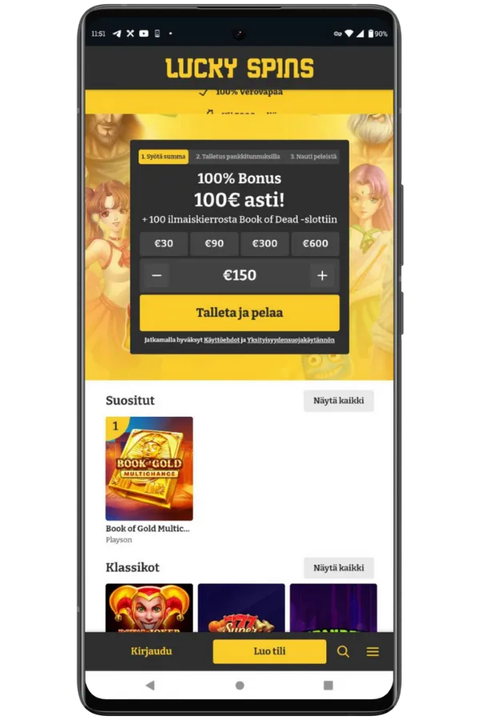
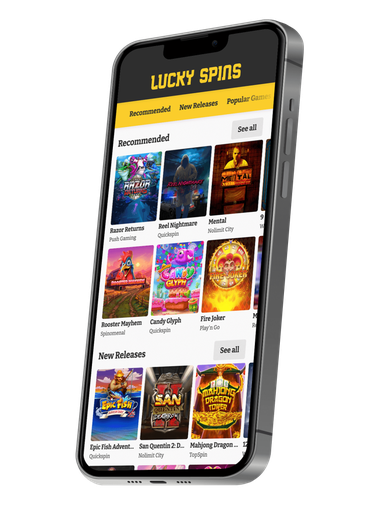
A good mobile casino session has a shape to it. It begins with one intention, maybe two. Check the wallet. Search for a familiar title. Browse one category. See whether a request status changed. Then either continue or leave. The interface should follow that shape rather than pull the player into five unrelated stops.
Search deserves more respect than it usually gets. On desktop, people may browse for longer because the screen invites wandering. On a phone, endless browsing starts to feel like work. Search, recent-play tools, and sensible filters turn the session into something manageable instead of messy.
Returning users care about this more than new ones. The first visit is often forgiving. The fifth visit is not. By then, the player expects the route to recent games to stay obvious, the balance section to feel familiar, and the support entry point to remain where memory left it.
The same is true for category design. A few well-separated sections feel better than a giant wall of options. Mobile users scan, not study. They look for signals: popular slots, table games, live titles, recently used pages, active offers, and payment history. A platform that respects scanning feels calmer from the first minute.
Why repeated visits reveal the truth
Almost any platform can look decent for ten minutes. The harder test is repetition. On the seventh login, does the person still know where to go for the wallet? Can they reopen recent activity without relearning the whole layout? Does the system feel consistent after a long day, on a weak signal, or with one hand on the screen? That is the real mobile test.
Why the lobby should not feel endless
The mobile lobby should guide, not drown. When every section tries to shout at once, nothing feels important. Adults who play on phones often value restraint more than spectacle. A tighter layout, fewer distractions, and better category logic create a more confident session because the player spends less time drifting.
Why support should sit close to the account
Support becomes urgent without warning. A player may be calm one minute and frustrated the next after spotting an unclear status or a detail that does not match expectations.
When help sits close to the wallet, the profile, or the history page, the problem feels manageable. When help is buried, frustration grows before the conversation even starts.
Performance, Battery Use, And Small-Screen Comfort
Performance sounds technical until it fails. Then it becomes personal very fast. A slow lobby, freezing balance page, or delayed page refresh can make a player doubt simple things they would otherwise accept without a thought. Did the amount update? Did the request go through? Did the page just miss a tap?
Battery use matters too. People do not always think about it until a mobile session starts draining the device during travel or late in the day. A lighter, cleaner experience tends to feel better partly because it asks less from the phone itself. Adults rarely describe that in technical terms. They simply say the platform feels easier to use.
Screen comfort has its own role. Long labels, cramped cashiers, and oversized banners all turn routine actions into unnecessary labour. A better mobile setup makes each page feel breathable. Enough white space. Enough contrast. Enough room to read amounts without squinting.
Why stable performance matters more than flashy extras
Decorative elements can impress for a second. Stable performance helps for months. A clean reload, a predictable menu, and readable account information do more for long-term confidence than any dramatic animation. For a phone-first player, reliability becomes part of the brand itself.
How comfort affects decision-making
Comfort changes behaviour. When the account page is clear, the player reads more carefully. When the history section is neat, they review activity instead of guessing. When amounts are easy to scan, mistakes become less likely. Good small-screen design does not only look better. It produces better decisions.
Banking Flow, Withdrawal Expectations, And Timing
This is where expectations often drift away from reality. Deposits usually feel direct because the platform is designed to welcome funds quickly. Withdrawals feel more deliberate. That difference surprises people, especially after a smooth first deposit made the whole system seem almost instant.
A better mindset is simple: treat deposits and cash-outs as two different processes. One brings funds in. The other moves funds out under closer scrutiny. That means players should expect more review, more status checking, and sometimes a longer wait than they first hoped for.
None of this means something is wrong. It means payout flow usually involves more checkpoints. Account details may need to line up cleanly. Verification steps may matter more. The selected method may shape how the process feels from the player side, even when the request itself looks straightforward.
This is also why mobile history pages matter. A clear status trail reduces stress. People want to see when a request was made, what stage it seems to be in, and whether anything in the account still needs attention. Vague wording creates more anxiety than delay alone.
The practical habit here is boring but useful: check the account before the cash-out becomes urgent. Review the wallet section during a normal session, not at a moment when the money is already mentally spent. That small act tends to lower frustration later.
Account area | What to review | Why it helps |
|---|---|---|
Payment section | Selected method and labels | Fewer surprises when moving money |
History page | Dates and status wording | Better visibility on pending activity |
Profile details | Contact and account info | Smoother review process |
Support route | Live help or message entry | Faster answers during a delay |
Responsible-play tools | Limits and timeout controls | Better session discipline |
Safer Routines And Adult-Only Account Habits
A mobile casino should be easy to leave, not only easy to enter. That sounds obvious, but plenty of platforms design the first half of the journey far better than the second. The deposit area is clear. The lobby is vivid. The route to limits or timeouts is quieter, sometimes far quieter than it should be.
Adult-only access is only one layer of responsible use. The more important layer is behaviour once the session begins. Mobile play can feel harmless because it slips into the day so easily. Five minutes turns into twenty. One category becomes four. A small top-up becomes another because the wallet screen is always nearby.
That is why limits matter before pressure appears. Deposit controls, cooling-off settings, and self-exclusion tools should be easy to locate, not treated like an afterthought. They are not just emergency tools. They are ordinary planning tools for adults who want gambling to stay inside a defined place in their routine.
Money is only one part of that picture. Time matters just as much. The phone sits in a pocket, on a sofa, beside the bed, near the laptop during work breaks. That constant availability changes the tone of play. A person may not intend a long session at all. The session simply expands because the next action is one tap away.
Clear reminders, sensible limits, and a visible exit path create a healthier relationship with the platform. They also improve trust. Players respect a mobile experience more when it supports control rather than only momentum.